A Mesmerizing Thought

Artist Meg Biram is an artist of many traits who is constantly observing, exploring ideas, and putting them into motion. The resourcefulness of her creative process engages her audiences in her abstract leaning pieces. That sense of transparency is rare in an artist, but it is also greatly appreciated by those who follow her work.

Counting+the+Days+Meg+Biram.jpeg

She explains, “My brain never stops. I'm constantly getting ideas. I have notebooks and sketchbooks filled with ideas and also type them into the Notes app on my phone. I will even sketch stuff on my phone in the middle of the night and find it in the morning. I've learned that any spark of an idea, no matter how small, write it up, sketch it in the moment. You will forget if you don't. You might not execute it immediately, but the day you have a creative block you have so much to go through for inspiration.”


Aesthetic

heart.jpeg

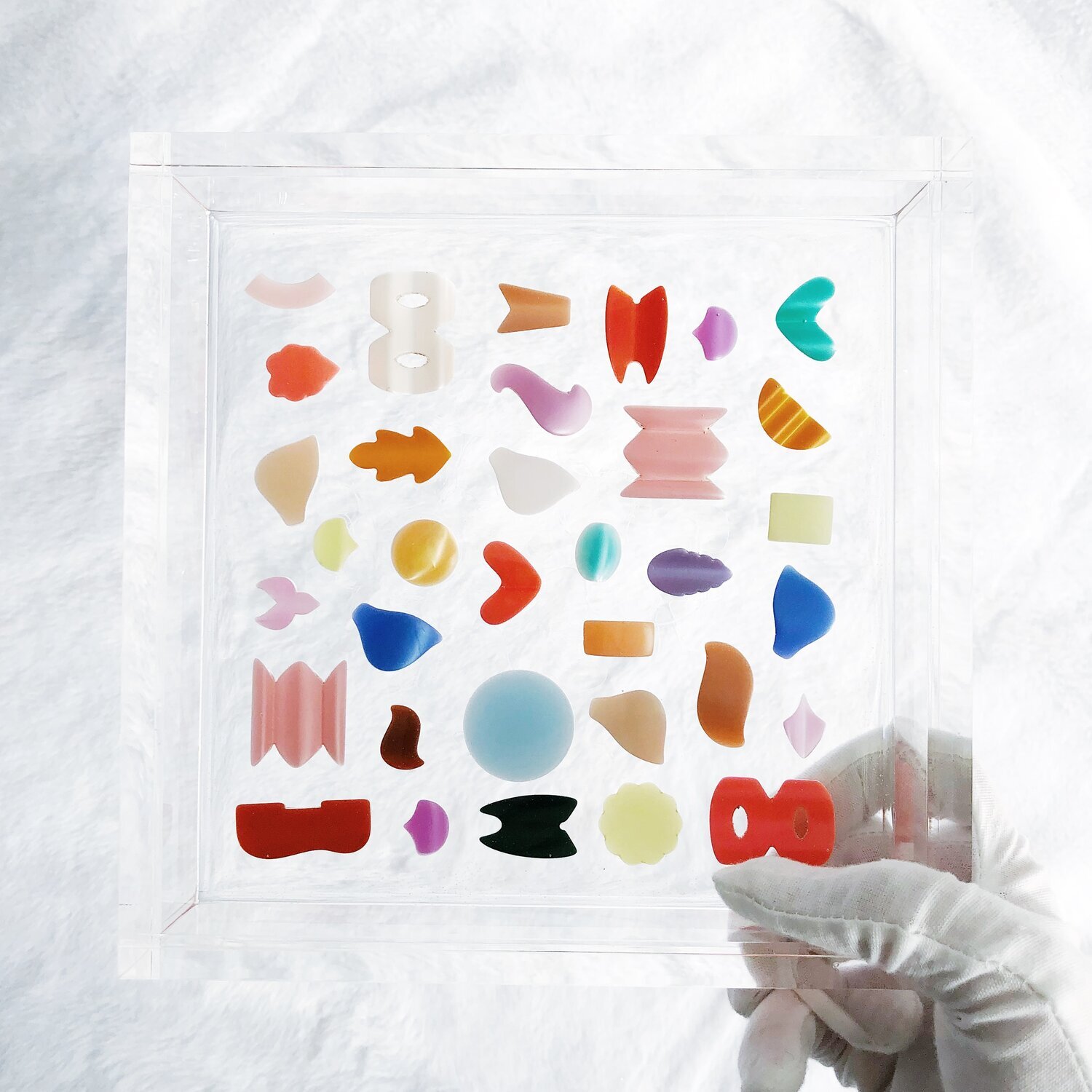
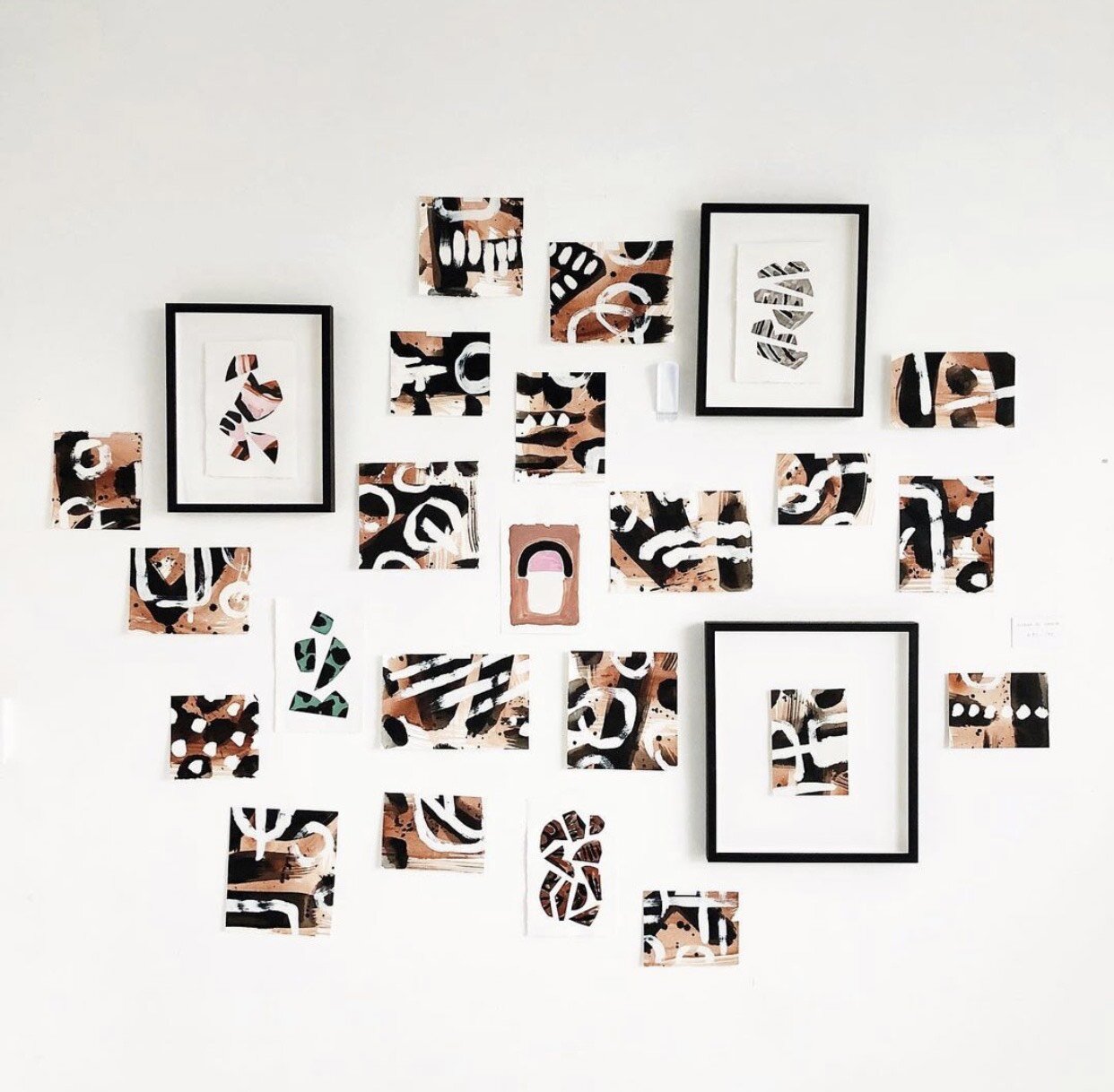
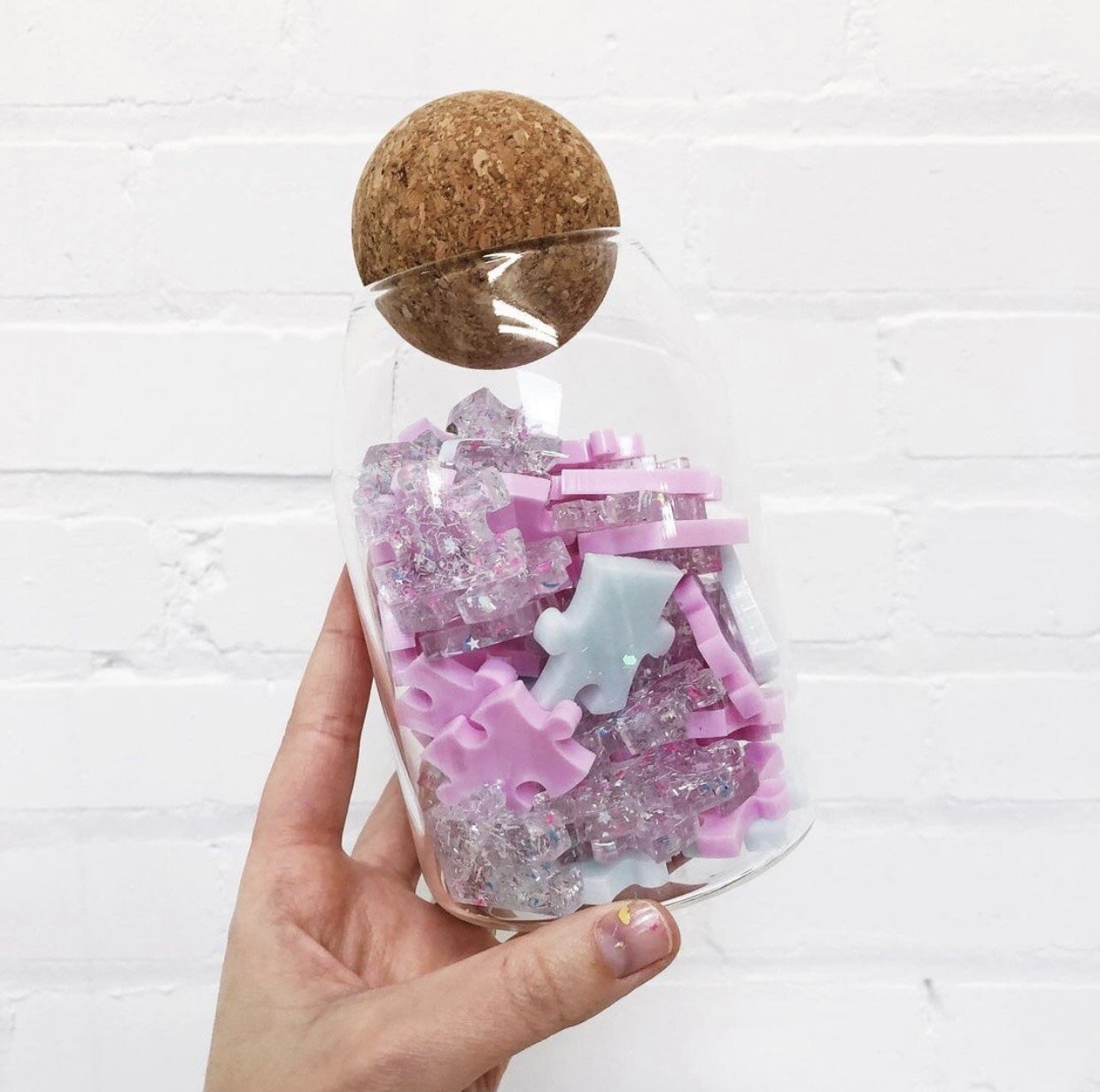
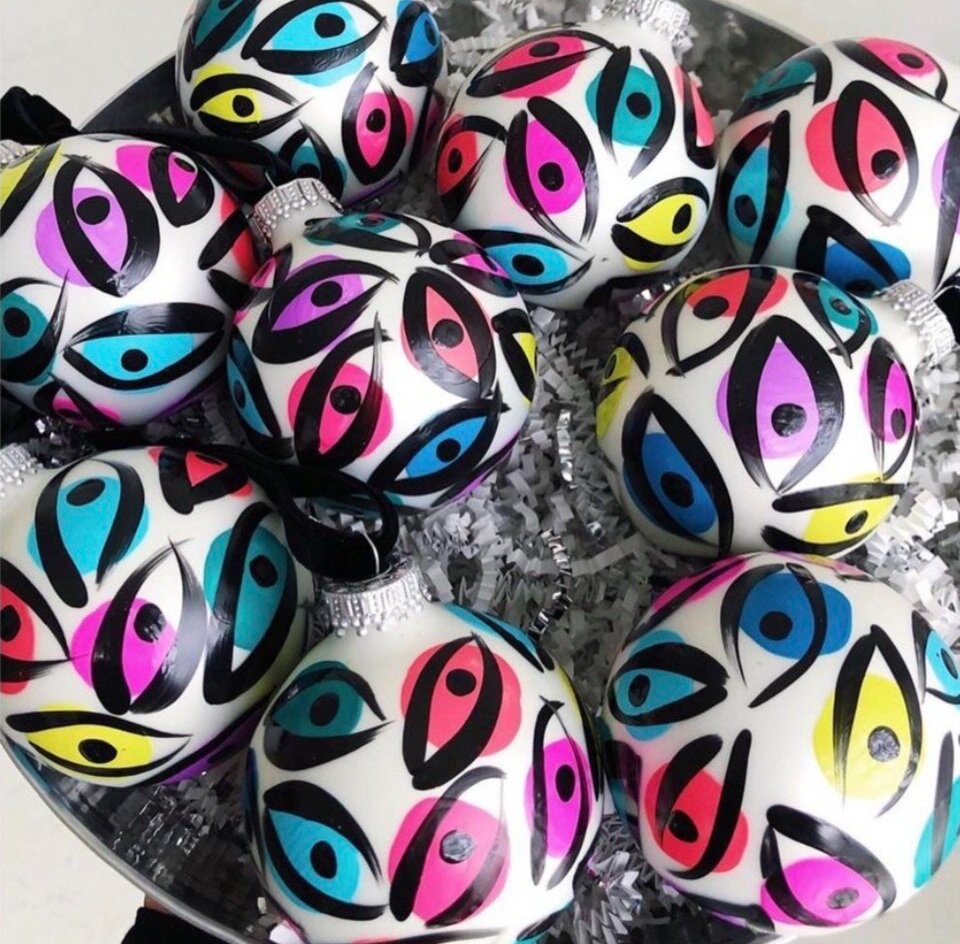
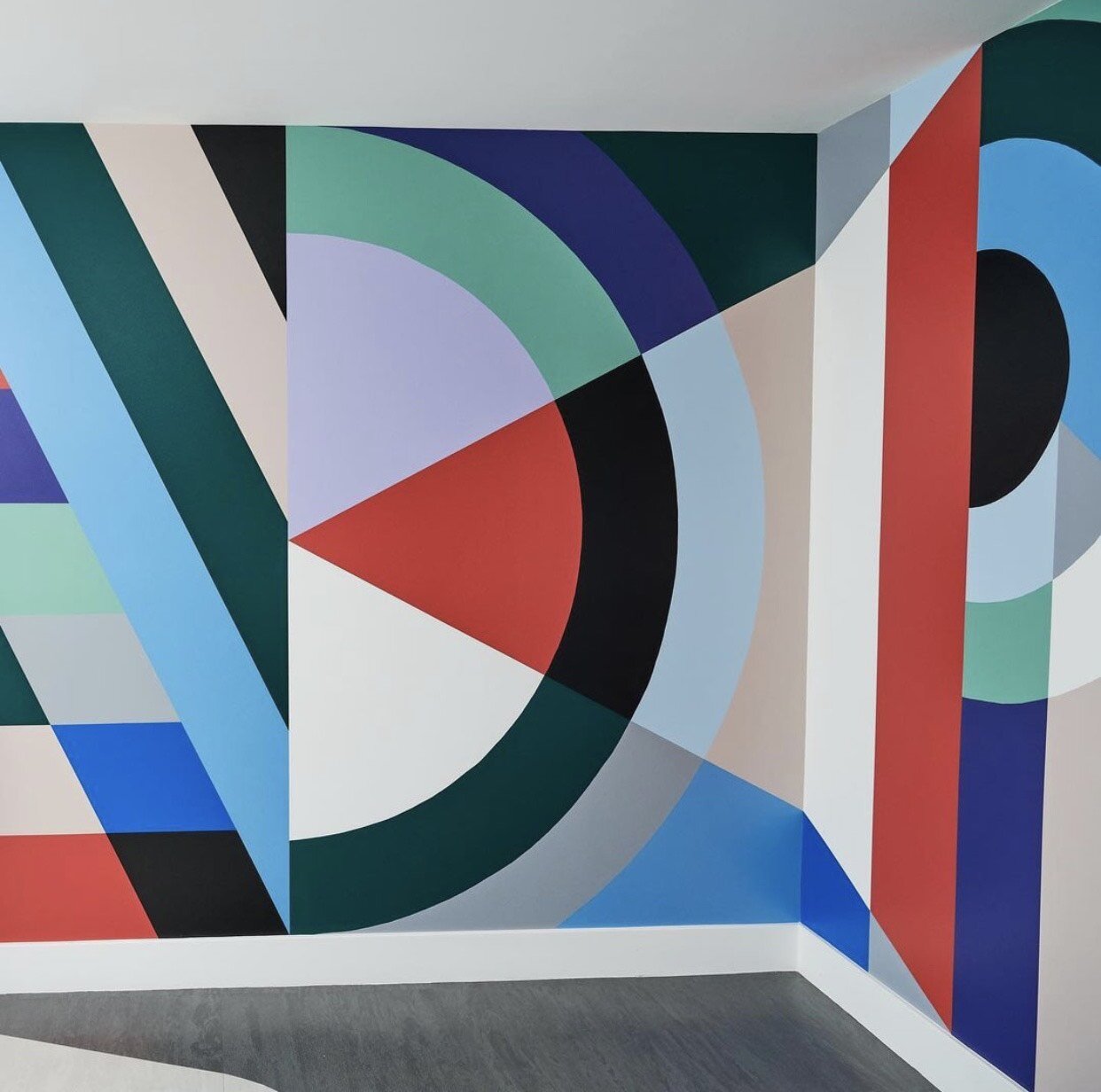
There is playfulness and lightness in Biram’s work, which allows for an ease in connectivity with the viewer. Biram’s work exudes versatility, having experience in a variety of mediums from painting on canvas, murals, to creating stylish Christmas ornaments, and modernly ornate acrylic trays. In her paintings, Biram is great at portraying polarities in a contained manner, where opposite hues become part of the narrative just as much as the background. 


She is skilled at drawing your eye to the entirety of the piece. The repetition of patterns and lines are done in an endless way so that there’s no beginning or end per say. Biram states, “I like texture. It's not always included but it often is. I also love a little mystery. People ask me how in the world I made something, and I love that.” She applies texture and focus to all moving parts to allow for flow and motion. This technique makes patterns hold that collective feeling of belonging together, but also existing separately within the whole. Each piece exists within the represented collective space. 

Deeper Thoughts
sun.jpeg

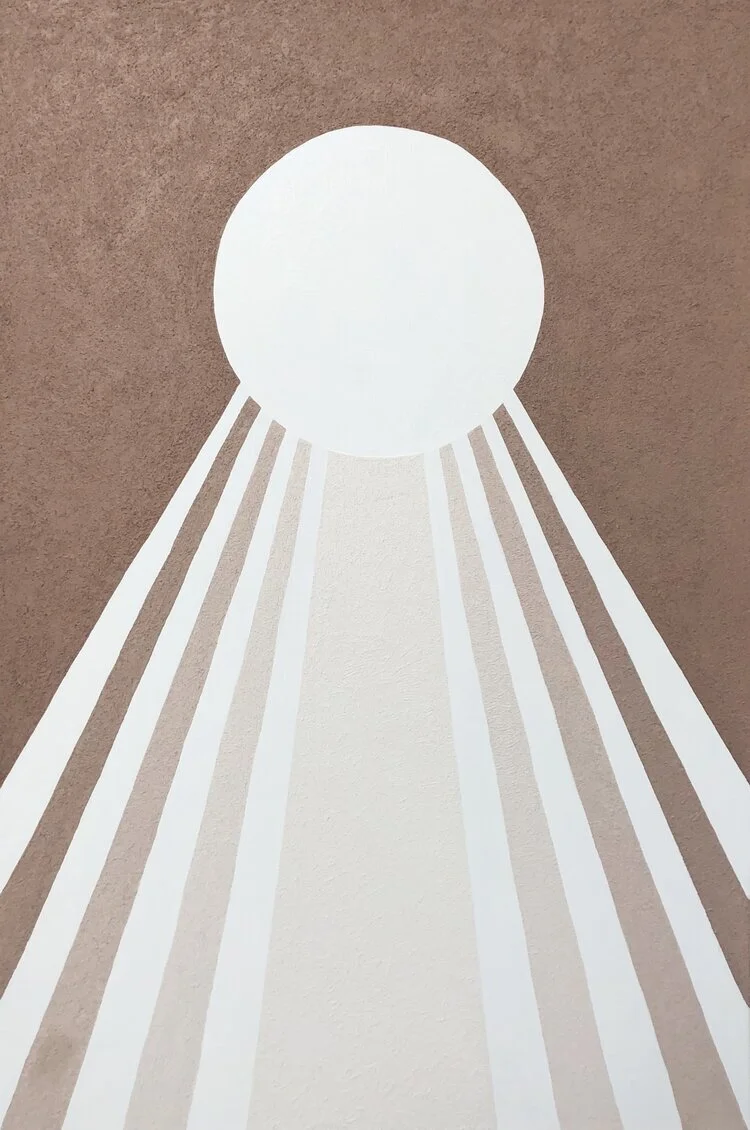
The soft tones interlocked with stronger ones show how each piece has moving parts and how they work together in a neverending manner. It’s that sense of fragility as well that makes Biram’s work unique. “Concept and meaning is very important to me. If I connect with something or it's emotional to me, there's a good chance I'll paint it at some point,” she says. These pieces are also held together by the textures and the small nooks and turns you find in between, along with symmetry and a sense of organic perfection. You get a sense of that because the works feel like she’s doing them from the heart, even if they’re abstract. She is painting from within in an intuitive way to express what matters.


Conclusion

Blanc.jpeg

Biram’s vision has a sense of deep knowing. Like a connection she holds dear to who she is, what she has experienced, what is important to her, and how she conveys that in her work. She says, “I like to have a plan — for my business and for my work. I rarely just do pure expression painting, but sometimes do. I like to go into things with at least some idea of what I'm doing, it doesn't happen that way all the time but it makes me feel better.” We can see how this idea translates into her work with each movement on the canvas, mural, or ornament as having a deeper meaning, and that creates an important visual connection with her viewers.

All photos courtesy of the artist. For more on Meg Biram’s work, please visit her website.

Today’s poem reflects the sensibility and form we see in Meg’s work:

It's all I have to bring to-day

By Emily Dickinson

It's all I have to bring to-day,

This, and my heart beside,

This, and my heart, and all the fields,

And all the meadows wide.

Be sure you count, should I forget, --

Someone the sum could tell, --

This, and my heart, and all the bees

Which in the clover dwell.

There’s Freedom in Deconstruction

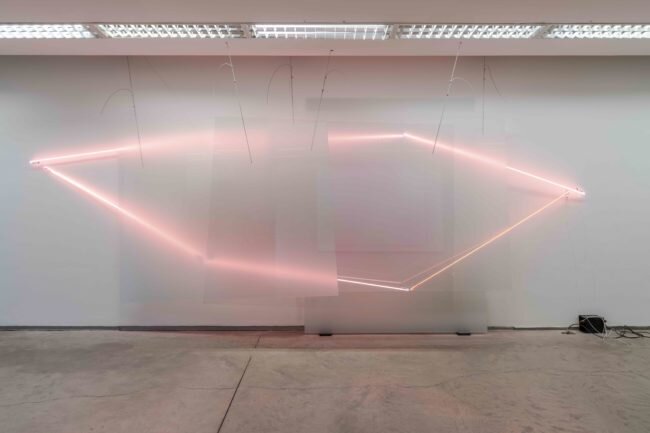
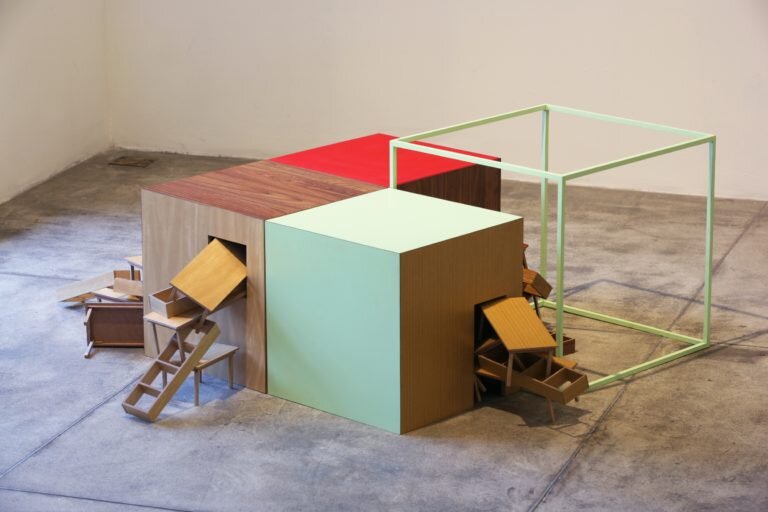
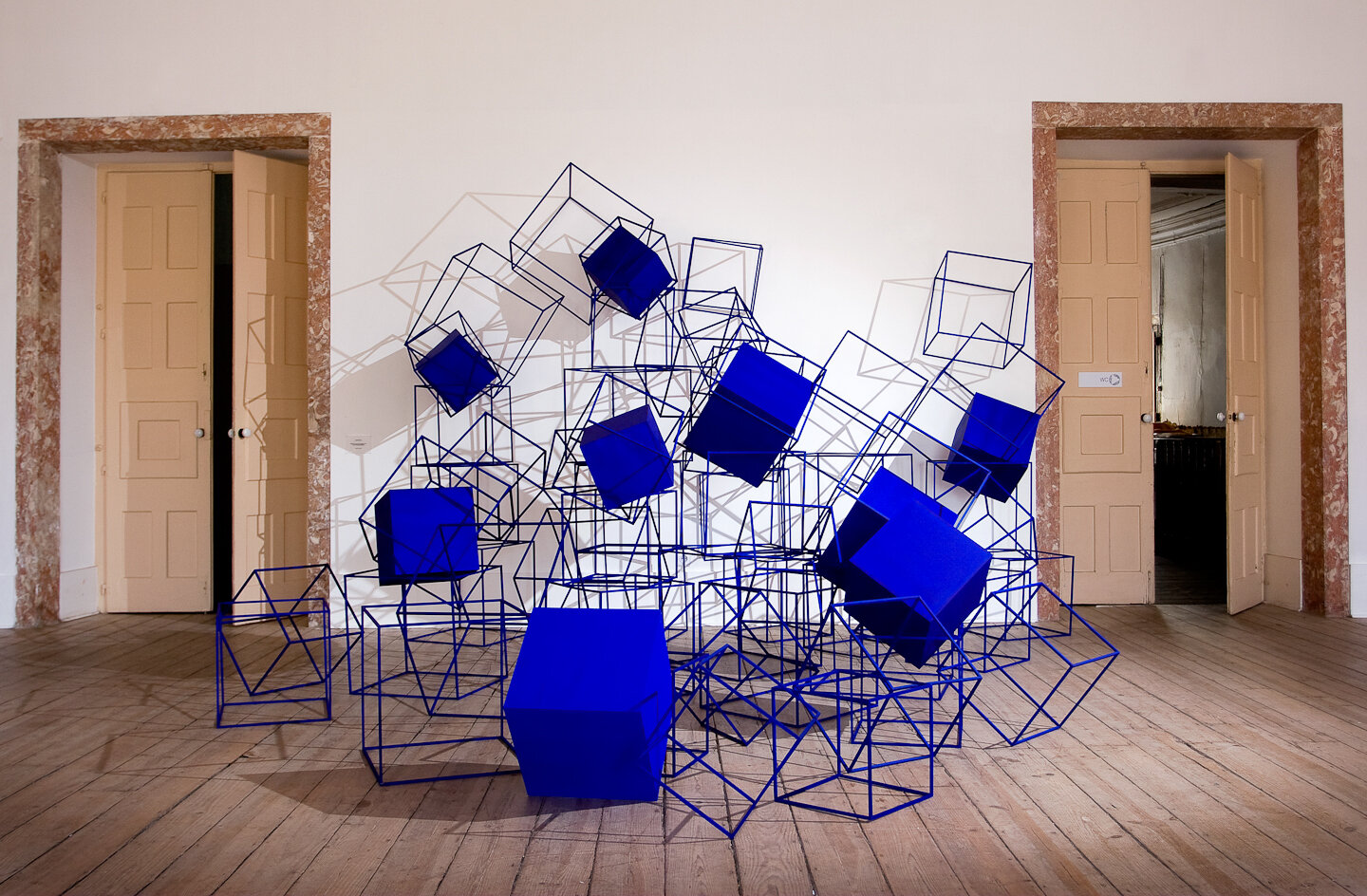
Many times, abstract art is the result of examining something tangible or conceptual, taking it apart, and presenting it in a different manner. Brazilian painter and sculpture artist José Bechara understands how to take complex, external influences from one’s life and transform them into meticulous creations that cause us to question the depth of what they may be representing. He touches on how his work engages with the space where they’re found. “Through the experimentation of different materials and territories in dimensional and three dimensional works. Along the years, I have always worked on paintings, sculptures and installations dialoguing with the space (by building or activating it), memories and time, as well as its impacts on individuals and society,” he says.

Aesthetic

jose2.jpg

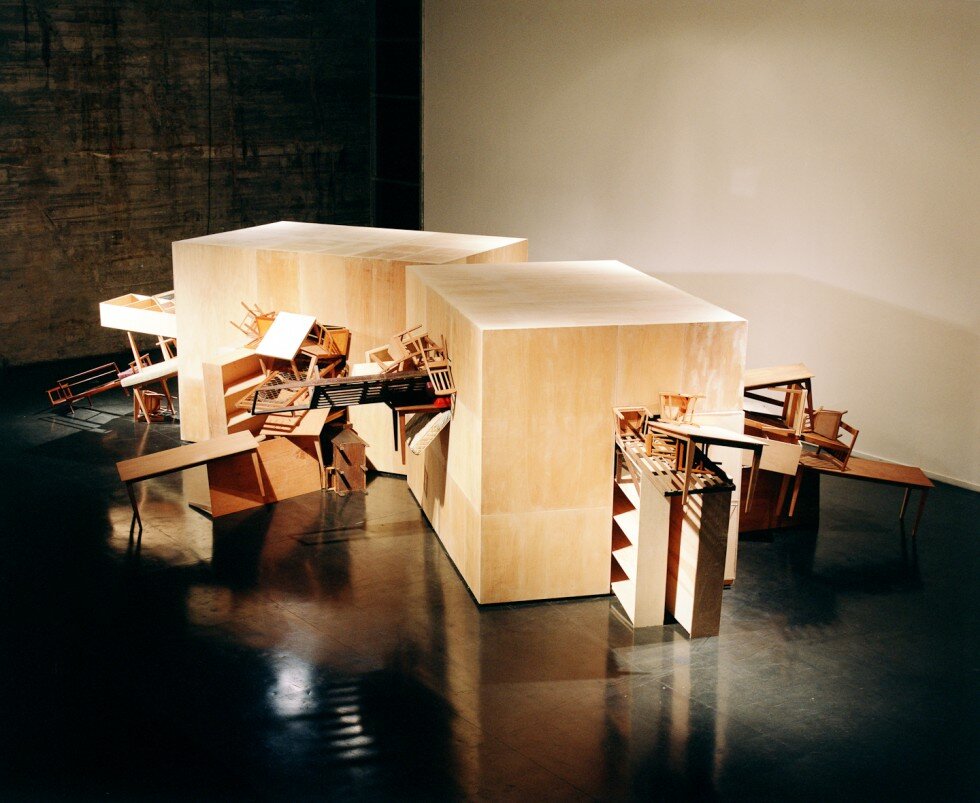
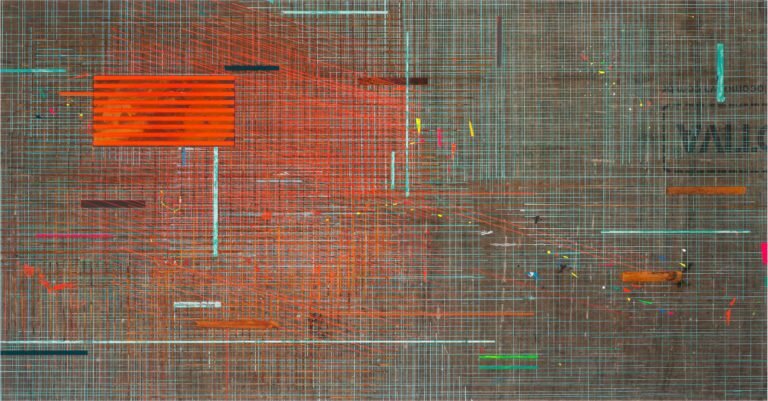
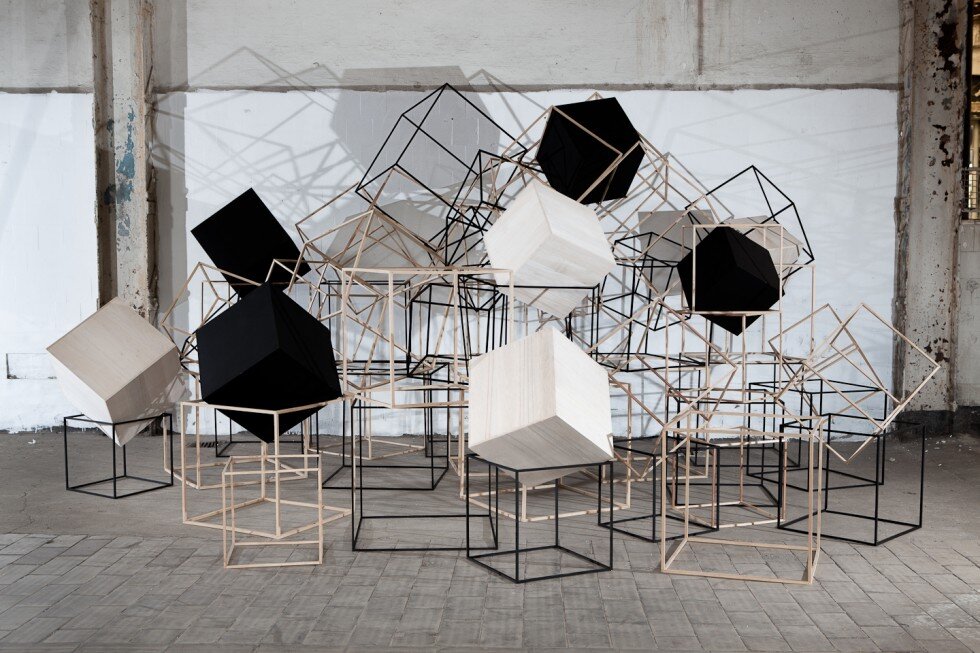
Each of Bechara’s pieces are creatively planned out. The sharp edges, raw materials, geometrical conjunctions, and linear pathways show flexibility within a rigid setting. Each piece takes on such a dimensional stance that it allows viewers to contemplate its many layers and angles, even in the paintings, where the thin lines are delicate mazes that blend with the industrial-like backbone found in the background.

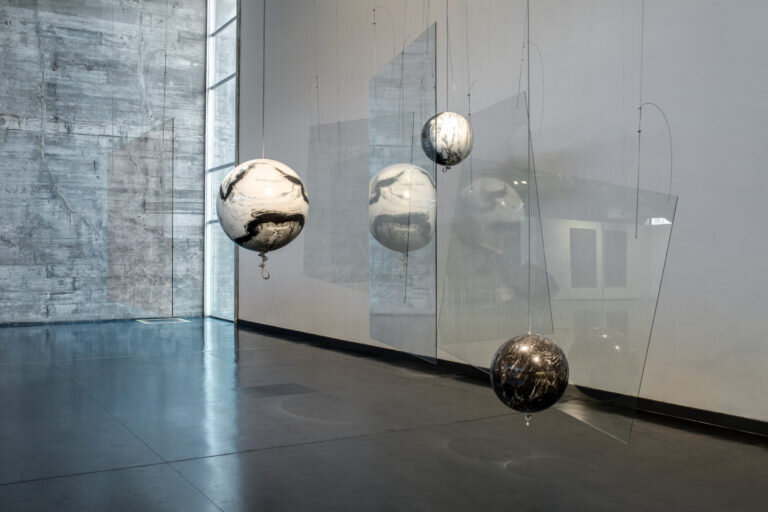
He explains, “Even as a fan of geometry, I like to confront its history and tradition, rejecting the idea of a “perfect form” promised by geometry as we see in art history. Geometry, in my work, celebrates failure, doubt and it hesitates against life, as I believe we do, as humans, every day.” The sculptures instigate a gravitational challenge for our perception of what we already know about art to expand. Many of these pieces act like a rebellion against what shapes should look when combined. They force you to embrace that imperfect perfection, chaos, and closely inspect each linear and material interaction within each piece.

Deeper Meaning

jose5.jpeg

It is the raw elements found in Bechara’s work that makes the pieces even more engaging. The use of oxidation, wood, and subtleties of color allow the sculptures and paintings to hold a level of fragility. There’s a sense of impermanence too, as if everything could change with one touch. One that is tied to deconstructive elements of what is underneath, like looking at the structural bones of a home instead of the facade. 

This narrative takes us back to the original stance of personal dialogue with the external world when looking at his work. One that speaks of looking within to discover what is underneath the surface, and then rebuilding that narrative based on what you find there, first and foremost. Bechara expands on this topic, “I am not a narrator of daily life; I am an abstract artist. However, I am always attentive to the average dramas of existence, especially of the effects social dynamics have in individuals'  lives. The relationship between past and present, work and environment. In a certain way, I believe some of my main questions, described above as failure, inexorability of time, finitude, hesitation and the fragility of daily life, touch on some people’s social dramas.”


Conclusion

jose9.jpg

The way we look at Bechara’s work can provide insight on our lives’ own twists and turns. At times, things fall apart, literally or figuratively, and that is what his work is asking us to look at sometimes. That necessary curve ball that life throws at us is at times a necessity to regain perspective and rebuild in a different, better way. 

All photos courtesy of José Bechara. For more about his work, please visit his website.

Today’s poem represents the multidimensional aspects of life found in José’s work:

My House is the Red Earth

BY JOY HARJO


My house is the red earth; it could be the center of the world. I’ve heard New York, Paris, or Tokyo called the center of the world, but I say it is magnificently humble. You could drive by and miss it. Radio waves can obscure it. Words cannot construct it, for there are some sounds left to sacred wordless form. For instance, that fool crow, picking through trash near the corral, understands the center of the world as greasy strips of fat. Just ask him. He doesn’t have to say that the earth has turned scarlet through fierce belief, after centuries of heartbreak and laughter—he perches on the blue bowl of the sky, and laughs.

The Art of Curation is Evolving

As the art world slowly opens up to hosting exhibits and devising innovative ways to make art accessible and safe amid a global pandemic, many art lovers are breathing a sigh of relief. The National Gallery of Art (NGA) in Washington D.C. is illustrating how art lovers may get their fix in the era of COVID-19. Earlier this year, they reopened the lower gallery area in the West Building to present Degas at the Opera, an exhibition that attracted all the eager art fans in the D.C. Metro area. 

Figure 1. Mollie Berger Salah, curatorial assistant at the National Gallery of Art in Washington D.C., working behind the scenes in the Division of Prints and Drawings.

Figure 1. Mollie Berger Salah, curatorial assistant at the National Gallery of Art in Washington D.C., working behind the scenes in the Division of Prints and Drawings.

Mollie Berger Salah, curatorial assistant at the NGA in the Division of Prints and Drawings, sheds light into how her work for the National Gallery has and continues to adapt to the new ways of planning exhibitions and exhibiting art. If you love art, then you’re like me and have likely wondered how exhibits are created and how they come to be so memorable, especially now, and this interview tackles that curiosity.

There is a level of mystery to the behind-the-scenes work at an art exhibit, especially one at one of the most prominent art institutions like NGA. It is Berger Salah’s devoted expertise that guides the artwork selection, space planning, ways of connectivity with the public, and the flow of its presentation that make your visit to the National Gallery beyond worthwhile. 

Figure 2. Gregorio De Ferrari Genoese, 1647 - 1726, Saint Michael and the Rebel Angels, c. 1682, pen and brown ink with brown wash, heightened with white gouache, over traces of black chalk on blue laid paper sheet, National Gallery of Art, Elizabet…

Figure 2. Gregorio De Ferrari Genoese, 1647 - 1726, Saint Michael and the Rebel Angels, c. 1682, pen and brown ink with brown wash, heightened with white gouache, over traces of black chalk on blue laid paper sheet, National Gallery of Art, Elizabeth White Fund 2018.165.4

1. How long have you been working at NGA?

I have worked at the National Gallery of Art in the Division of Prints and Drawings since July 2014, but I have been working in museums since I was 16. My first museum job was at the Farnsworth Art Museum gift shop in Rockland, Maine. I learned so much there, especially customer service, which comes in handy when I am answering a question from the public or directing a visitor in the museum.

2. Can you describe your role and how you work with current/upcoming exhibits at NGA?

As curatorial assistant for the Division of Prints and Drawings, I get to do a little bit of everything. From researching the collection, including new acquisitions, to tracking the progress of curatorial projects, my to-do list varies day by day. 

For the past couple years I’ve been assisting the Senior Curator of Prints and Drawings with his upcoming exhibition, A Superb Baroque: Art in Genoa 1600-1750, which opens next year. I tracked the checklist of artworks included in the exhibition, corresponded with our co-curators in Italy, and helped find images for the publication. We were two months away from the exhibition opening at the NGA, when we needed to close due to COVID-19. It was disappointing to postpone the exhibition our team worked so tirelessly to execute, but we are all relieved the show will be on view next September.

Of course, everything has changed for all of us since the pandemic began. I never thought I would be working from home, but teleworking allowed me to focus on other projects. Digital content, in particular, has been a new experience for me. I led visitors (virtually, of course) through our Mark Rothko galleries and wrote a post highlighting DC artists for the recently enacted DC Natives Day, which celebrates folks born and raised in DC. 

Figure 3. Berthe Morisot French, 1841 - 1895 The Artist's Sister, Edma, with Her Daughter, Jeanne, 1872 watercolor over graphite on laid paper overall, National Gallery or Art, Ailsa Mellon Bruce Collection 1970.17.160

Figure 3. Berthe Morisot French, 1841 - 1895 The Artist's Sister, Edma, with Her Daughter, Jeanne, 1872 watercolor over graphite on laid paper overall, National Gallery or Art, Ailsa Mellon Bruce Collection 1970.17.160

3. What are the most enjoyable parts of your job?

Definitely working on exhibitions. Since works on paper are light sensitive, we closely monitor how often they are exposed to light sources. We rely on special exhibitions, which are only open for a few months, to showcase our incredible collection of prints, drawings, and illustrated books. With a collection of over 110,000 works of art on paper, there is a lot to choose from.

4. What advice do you have for someone who wants to work at a museum or gallery as a curator?

My first piece of advice is a practical one: understand and be comfortable with technology. I guarantee you will need to use spreadsheets, project management tools, and databases in a curatorial position. Proficiency, or at least familiarity, with these systems could set you apart from other candidates. There are also loads of free online tutorials, so there are opportunities for you to learn these skills. I use all of these programs, practically daily, and I believe they will only become more common as arts institutions move away from paper files, and towards digital systems.

Secondly, I believe it is imperative that anyone working in a curatorial capacity be able to articulate why their project is important, why it matters. This can be challenging to articulate, but as museums grapple with their role in the broader cultural landscape, I believe museum leadership will ask this question and curators should be able to answer.